
Why daily vehicle checks matter for fleet safety
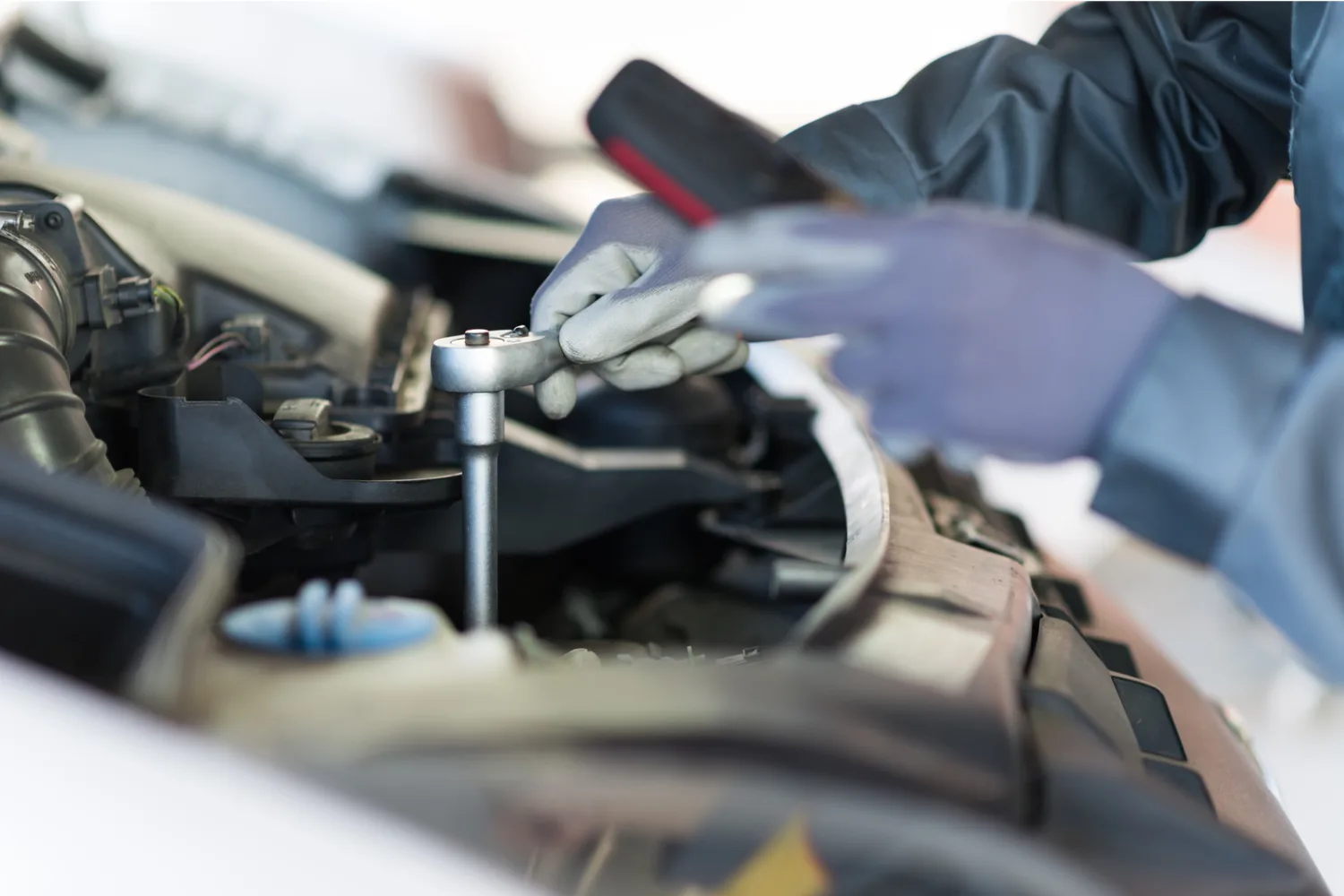
A damaged tyre, faulty brake light or unexpected warning on the dashboard might seem like a small issue, but overlooking it can have serious consequences for drivers, businesses and other road users.
With Road Safety Week taking place from 15–21 November, it's a good opportunity to look at the role daily vehicle checks play in keeping commercial vehicles safe and roadworthy. For businesses managing multiple vehicles, making sure drivers complete their checks and report any defects can also help reduce unexpected repairs and disruption to daily operations.
Why are daily vehicle checks important?
Commercial vehicles often cover considerable mileage, carry heavy loads and make multiple journeys throughout the working day. With regular use comes wear and tear, making routine vehicle checks particularly important. The Driver and Vehicle Standards Agency (DVSA) recommends that van drivers carry out a walkaround check before starting their journey to make sure their vehicle is safe to drive.
These checks can highlight problems that might otherwise go unnoticed, such as damaged tyres, faulty lights, fluid leaks or loose bodywork. Spotting an issue early gives businesses the opportunity to arrange repairs before it develops into something more serious. It can also help avoid unexpected downtime, particularly when a vehicle is needed for deliveries, appointments or customer visits.
However, carrying out the checks is only part of the process. Drivers also need to know what to look for and what to do when something isn't right.
What should drivers be checking?
The DVSA provides guidance on daily walkaround checks for vans daily walkaround checks for vans, covering both the inside and outside of the vehicle.
Some of the main areas drivers should pay attention to include:
Tyres and wheels
Check tyre condition, pressure and tread depth, looking for cuts, bulges or other visible damage. Wheels should also be checked for obvious defects.
Lights and indicators
Make sure headlights, brake lights, indicators and other required lights are working correctly, with lenses clean and free from damage.
Mirrors, windows and visibility
Check that mirrors, windows and cameras provide a clear view of the road. Windscreen wipers and washers should also be working properly.
Fluid levels and leaks
Check relevant fluid levels, including engine oil, coolant and screen wash, and look for any signs of leaks beneath the vehicle.
Brakes, steering and warning lights
Pay attention to how the brakes and steering operate, along with any dashboard warning lights that could indicate a problem.
Bodywork, doors and loads
Check that doors close securely, there is no dangerous damage to the bodywork, and any equipment or loads are properly secured.
The checks needed will depend on the vehicle and how it is used, so drivers should always follow the relevant DVSA guidance and manufacturer's recommendations.
What happens when a driver finds a defect?
Finding a problem is one thing, but making sure it's reported and dealt with is equally important.
A faulty brake light, damaged tyre or unusual warning light shouldn't be left for the next driver to discover. Drivers need to know who to contact and how to report any concerns, so that repairs can be arranged and vehicles aren't used when they're unsafe. For fleet managers, keeping a record of reported defects also makes it easier to see which vehicles need attention and whether any problems are recurring.
Having a straightforward reporting process helps everyone understand what's been identified, what action is needed and when a vehicle is ready to return to the road.
How can fleet managers support safer vehicles?
Drivers have an important part to play in keeping vehicles safe, but they need the right support from the business. That means allowing time for daily checks, making sure reported defects are followed up and keeping servicing and maintenance schedules up to date.
For businesses with vehicles operating across different locations, keeping track of everything can become challenging. Information may be spread across emails, spreadsheets or individual drivers, making it harder to see which vehicles need attention. Having vehicle information in one place can make a difference.
HerdConnect helps businesses keep track of vehicle checks, maintenance records, servicing schedules and upcoming compliance deadlines, giving fleet managers a clearer picture of what's happening across their fleet. With better access to this information, businesses can plan maintenance, follow up on outstanding issues and reduce the risk of important checks being overlooked.
Keeping vehicle safety a priority throughout the year
Road Safety Week is a useful reminder of the importance of protecting everyone who uses our roads, but keeping commercial vehicles safe requires attention every day.
For drivers, it means knowing what to check and feeling confident about reporting concerns. For fleet managers, it's about having the information and processes in place to make sure those concerns are addressed. Taking a few minutes to check a vehicle before setting off is a small part of the working day, but it can make a significant difference to safety, reliability and the smooth running of a fleet.
Keep reading
More from the newsroom

Talk to a real human
Want to know more?
Drop us a line - we love a good conversation about vans.